
Exposed
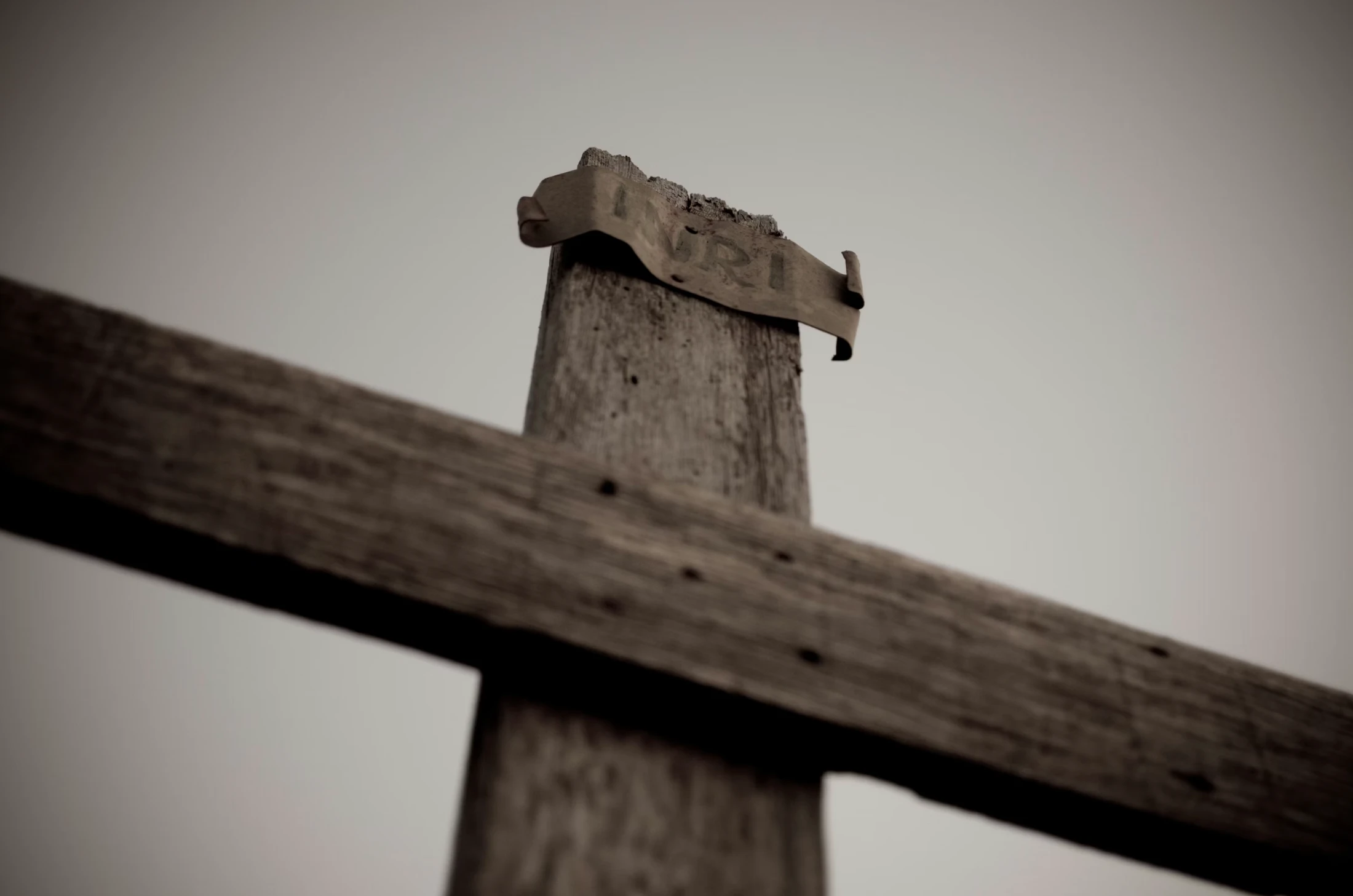
A few weeks ago as we began Lent, I mentioned that John 12 is one of the clearest instances of Jesus talking about his coming death (cf. vv. 23,24, 31-33). In his conversation with a group of Greeks he shares that his death is near, that he will die via crucifixion, and that his death will be for judgement of the world, driving out of the enemy and drawing all manner of people to himself. It is clear that Jesus knows who he is and what he has come to do.
But why crucifixion? Fleming Rutledge in her meditations on The Crucifixion, reminds us that "[Crucifixion] was a form of advertisement, or public announcement — this person is the scum of the earth, not fit to live, more an insect than a human being, .. The crucified wretch was pinned up like a specimen. Crosses were not placed out in the open for convenience of sanitation, but for maximum public exposure. ... Crucifixion as a means of execution in the Roman empire had as its express purpose the elimination of victims from consideration as members of the human race. This degradation is why the crucified were always hung naked; maximum exposure, maximum shame.
Jesus was no exception in being hung naked. John 19:23 tells us clearly that "when the soldiers had crucified Jesus, they took his garments." It is interesting that most depictions of the crucifixion cover the nakedness of Jesus. It is as if we just can't absorb all that shame. But we must not look away, for in his exposure Jesus is exposing the deep evil of the world and of our hearts.
The apostle Paul captures this in his wonderful meditation on the cross in Colossians 2. Here Paul says that on the cross, Jesus disarmed, or perhaps better translated stripped or disrobed, the rulers and authorities and put them to open shame, by triumphing over them (v.15). In Jesus' nakedness we see the lies of this world exposed. We see the naked grabs for power, the hungry attempts at control. It is here that we see the bloody victims that are left in the wake of the rulers and authorities vindicated and their oppressors judged. Absorbing the degradation of the Savior we see the ugliness of our own sin exposed, its guilt, its shame. But it is also here that we see our own path of healing, for truly, he has become sin for us (2 Cor. 5:21). Well the hymn writer steers us, see from his head, his hands, his feet - from every part of his naked body - sorrow and love, sin and redemption, mingled, flowing for all who will believe.
And that flow of love continues right until Easter when the tomb opens and the victory is won. We will be looking at this victory more closely this Sunday as we jump ahead a bit in Acts to listen to Paul "babbling" (cf. Acts 17:18) about the resurrection in Acts 17.
So, my friends, let us await the resurrection with confident hope, but don't look away from the cross, where the principalities and powers are exposed.